
Planning balanced meals can sometimes feel like a daunting task, especially when juggling busy schedules, picky eaters, or limited time. The good news is that creating nutritious and satisfying meals doesn’t have to be stressful. With a few smart habits and easy techniques, you can enjoy well-rounded meals that fuel your body and taste great. In this post, we’ll explore practical ways to plan balanced meals without the hassle.
What Is a Balanced Meal?
Before diving into meal planning tips, it’s helpful to understand what a balanced meal looks like. A balanced meal includes a good mix of:
– Protein – Supports muscle repair and keeps you full (e.g., chicken, beans, tofu)
– Carbohydrates – Provides energy (e.g., whole grains, starchy vegetables)
– Healthy Fats – Supports brain health and adds flavor (e.g., olive oil, nuts, avocado)
– Fruits and Vegetables – Packed with vitamins, minerals, and fiber
When these elements come together on your plate, you’ll get sustained energy and nutritional benefits.
Step 1: Start With a Simple Framework
A straightforward way to plan balanced meals is to use a plate model:
– Half your plate filled with vegetables and fruits
– One quarter with lean protein
– One quarter with whole grains or starchy vegetables
This visual guide helps with portion control and ensures a variety of nutrients. Using it as a base for your meal prep lets you build dishes quickly without overthinking.
Step 2: Make a Weekly Meal Plan
Creating a loose plan for the week can save you time and reduce stress at mealtime. Here’s how to get started:
- **Check your calendar:** Note busy days or nights with less time for cooking.
- **Choose versatile ingredients:** Pick a few staple ingredients you can use across multiple meals, like chicken breasts, quinoa, and mixed veggies.
- **Plan simple meals:** Think one-pan dishes, salads, soups, or stir-fries that are easy to adapt.
- **Include leftovers:** Plan meals that make good leftovers to reduce cooking time.
You don’t need to write down every detail, just a basic guide to keep you on track.
Step 3: Build a Balanced Grocery List
Once you have your plan, make a grocery list focused on balanced nutrition. Include:
– Fresh vegetables and fruits in various colors
– Lean proteins (fish, poultry, legumes)
– Whole grains (brown rice, whole-wheat pasta)
– Healthy fats (nuts, seeds, olive oil)
– Pantry staples (canned beans, spices, broth)
Shopping this way makes it easier to combine ingredients for balanced meals without last-minute trips to the store.
Step 4: Prep Ingredients Ahead of Time
Meal prepping can be a game changer to reduce daily cooking stress. Here are some prep ideas:
– Wash and chop vegetables: Store them in clear containers for quick access.
– Cook grains in bulk: Make a batch of quinoa or brown rice to use in multiple meals.
– Cook proteins in advance: Roast chicken or bake tofu cubes to add to salads or bowls.
– Prepare sauces or dressings: Homemade vinaigrettes or marinades add flavor and speed up meal assembly.
Even dedicating 30–60 minutes once or twice a week to prep cuts down on cooking time and decision-making later.
Step 5: Mix and Match Ingredients
With prepped ingredients on hand, assembling meals becomes fast and flexible. For example, combine:
– A base of brown rice or quinoa
– Roasted vegetables
– A source of protein like grilled chicken or beans
– A drizzle of olive oil or a spoonful of your favorite sauce
You can easily swap ingredients depending on what you have or what you feel like eating. This variety keeps meals exciting without added effort.
Step 6: Keep Breakfast and Snacks Balanced Too
Balanced nutrition isn’t limited to lunch and dinner. To stay energized all day, include nutrient-rich foods in your breakfast and snacks:
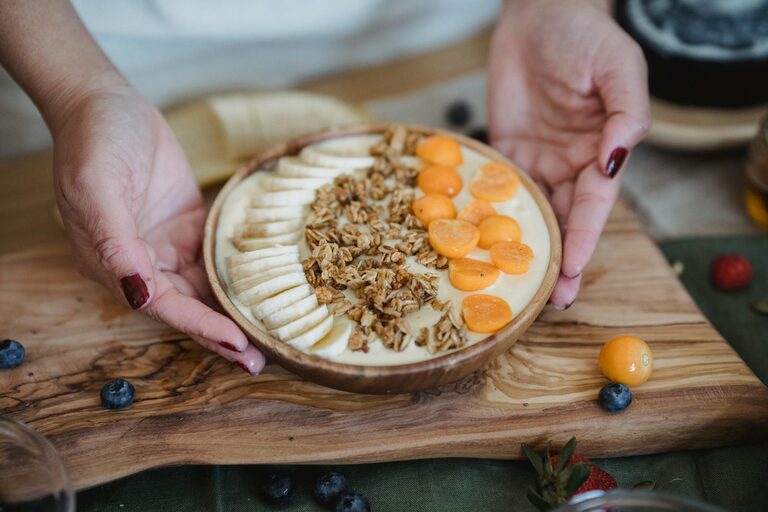
– Breakfast ideas: Greek yogurt with fresh fruit and nuts, whole-grain toast with avocado and egg, or oatmeal topped with seeds and berries.
– Healthy snacks: Fresh fruit, vegetable sticks with hummus, or handfuls of nuts.
Having balanced snacks helps prevent overeating later and keeps blood sugar steady.
Tips to Stay Consistent Without Stress
– Don’t aim for perfection: It’s okay if every meal isn’t perfectly balanced. Do your best and enjoy the process.
– Use shortcuts: Frozen vegetables, canned beans, or pre-washed salad greens save time.
– Cook once, eat twice: Double recipes or use leftovers creatively.
– Listen to your body: Eat when hungry and stop when satisfied; meal quality matters more than quantity.
Final Thoughts
Planning balanced meals doesn’t have to be complicated or overwhelming. By using a simple plate framework, prepping ingredients, and keeping meals flexible, you can enjoy nourishing food every day with less stress. Start small, experiment with what works for you, and soon meal planning will feel like a natural and rewarding part of your routine.
Happy eating!