
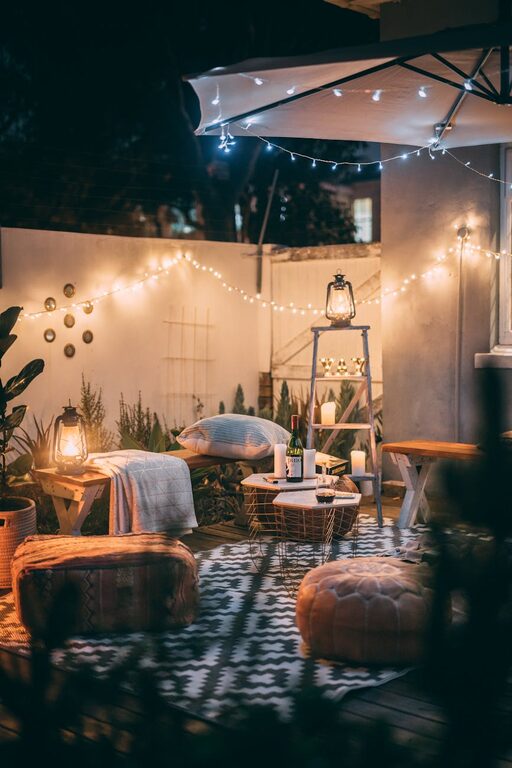
Creating a comfortable and inviting atmosphere in your home often starts with the right lighting. Whether you’re reading in the living room, cooking in the kitchen, or relaxing in the bedroom, well-chosen lighting can greatly impact your mood and how you use the space. In this post, we’ll walk you through some key tips for choosing comfortable home lighting that meets both your practical needs and aesthetic preferences.
Why Comfortable Lighting Matters
Lighting isn’t just about illumination—it affects your comfort, wellbeing, and how your spaces feel. Harsh or poorly placed lighting can cause eye strain, headaches, and fatigue, while soft and well-balanced lighting can help you relax and enjoy your home more.
Planning your lighting thoughtfully helps create a warm ambiance, highlights your home’s best features, and supports your daily activities with appropriate brightness and style.
Understand Different Types of Lighting
Before selecting fixtures or bulbs, it’s useful to understand the three main types of lighting:
1. Ambient Lighting
This is the general, all-around light that fills the room. It ensures there’s enough light to see clearly and navigate safely. Ceiling lights, chandeliers, and recessed lighting are common sources.
2. Task Lighting
Task lighting focuses on specific areas where activities like reading, cooking, or working happen. Desk lamps, under-cabinet lighting, and pendant lights over a kitchen island fall into this category.
3. Accent Lighting
Accent lighting highlights features you want to stand out—artwork, plants, or architectural details. Spotlights, wall sconces, and LED strips are usually used for accent lighting.
Using a combination of these layers creates a dynamic and comfortable lighting environment.
Tips for Choosing Comfortable Home Lighting
Consider the Purpose of Each Room
Think about how you use each room. For example:
– The living room might benefit from flexible lighting that ranges from bright (for games or cleaning) to dim (for relaxing or watching TV).
– In the kitchen, focus on bright task lighting for food preparation areas.
– Bedrooms often need softer, warmer light that encourages rest and calmness.
Tailor your lighting choices to each room’s activities for maximum comfort.
Choose the Right Bulb Color Temperature
Light bulbs have color temperatures measured in Kelvins (K), which affect how warm or cool the light appears:
– Warm white (2700K – 3000K) produces a cozy, inviting glow, ideal for bedrooms and living rooms.
– Neutral white (3500K – 4100K) gives off a balanced light, suitable for kitchens and bathrooms.
– Daylight (5000K – 6500K) is bright and crisp, often preferred for workspaces or reading areas.
For comfortable home lighting, warm white is generally the best choice, but mixing temperatures in different areas can work well.
Dimmer Switches Add Flexibility
Installing dimmer switches lets you adjust the brightness easily to suit different times of day or moods. They help reduce eye strain at night and save energy by lowering electricity use when full brightness isn’t needed.
Many modern LED bulbs are dimmable, but be sure to check compatibility before purchasing dimmer switches.
Use Multiple Light Sources
Avoid relying on a single overhead fixture. Layer your lighting with lamps, sconces, and spotlights to reduce harsh shadows and create a more natural feel.
For example, combining a ceiling light with table lamps and floor lamps allows you to control the lighting intensity and direction, enhancing comfort.
Pay Attention to Fixture Styles and Placement
The design and placement of your fixtures contribute to both function and comfort:
– Use lampshades or diffusers to soften harsh glare.
– Position task lights directly over or behind your activity area to minimize shadows.
– Keep bulbs at eye level in rooms where you spend lots of time sitting.
Well-chosen fixtures also add personality and charm to your home’s decor.
Select Energy-Efficient Lighting Options
LED bulbs are energy-efficient, long-lasting, and come in various color temperatures. They generate less heat and reduce electricity bills while providing consistent, comfortable light.
Consider smart lighting systems that can adjust brightness and color temperature automatically to match the time of day.
Additional Tips for a Comfortable Lighting Experience
– Clean your fixtures and bulbs regularly to maintain brightness.
– Avoid overly bright or flickering lights, which can cause discomfort.
– Use natural light whenever possible by keeping windows unobstructed during the day.
– Add reflective surfaces like mirrors to amplify light without increasing wattage.
Final Thoughts
Choosing comfortable home lighting is about balancing aesthetics, function, and personal preferences. By layering different types of lighting, selecting the right bulb temperature, and adding controls like dimmers, you can transform your home into a soothing, inviting space that fits your lifestyle.
Take your time exploring options and think about how lighting affects your daily routines. With these tips, you’ll be well-equipped to make thoughtful choices that brighten your home in all the right ways.