
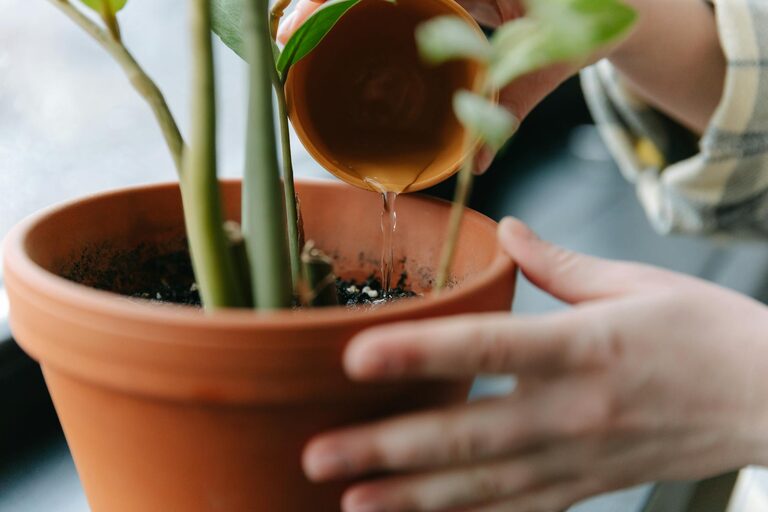
Bringing houseplants into your home adds beauty, purifies the air, and boosts your mood. However, keeping them healthy requires some knowledge and regular care. Whether you’re new to indoor gardening or looking to improve your skills, these tips will help your houseplants thrive.
Understanding Your Plant’s Needs
Different plants have varying requirements for light, water, and humidity. The first step in caring for your houseplants is learning about the specific needs of each type.
Know Your Plant’s Light Requirements
Houseplants typically fall into one of three light categories: low, medium, or bright indirect light.
– Low light: Ideal for plants like snake plants and pothos. These can thrive in corners or rooms with limited sunlight.
– Medium light: Suitable for plants such as spider plants and dracaenas, which do well near windows with filtered light.
– Bright indirect light: Perfect for ferns and peace lilies, which flourish near windows but avoid direct sun that can scorch leaves.
Check the label or research your plant species to provide the right light environment.
Water Wisely
Overwatering is one of the most common reasons plants fail to thrive. Here’s how to water properly:
– Check the soil moisture: Stick your finger about an inch into the soil. If it feels dry at this depth, it’s time to water.
– Use the right amount: Avoid puddles at the bottom. Water evenly until you see some drain out, then empty the saucer.
– Adjust for seasons: Plants often need less water in winter when growth slows down.
Maintain Appropriate Humidity
Many houseplants come from tropical environments and appreciate higher humidity. During dry months, you can:
– Group plants together to create a mini microclimate.
– Use a humidity tray filled with water and pebbles under your pots.
– Mist leaves occasionally or invest in a small humidifier.
Create a Healthy Environment
Choose the Right Soil and Pot
Good soil ensures nutrients and proper drainage:
– Use a high-quality potting mix suitable for your plant type. Avoid garden soil that may compact easily.
– Pots should have drainage holes to prevent waterlogging.
– Consider containers made from breathable materials like terracotta.
Fertilize Regularly
Plants need nutrients for growth:
– Feed your plants every 4-6 weeks during the growing season (spring and summer) with a balanced liquid fertilizer diluted to half strength.
– Reduce or stop fertilizing in fall and winter.
Keep an Eye on Plant Health
Monitor for Pests and Diseases
Common pests include spider mites, aphids, and mealybugs:
– Regularly inspect leaves and stems, especially the undersides.
– Wipe leaves with a damp cloth to keep them clean.
– For infestations, try insecticidal soap or neem oil.
Prune and Repot as Needed
– Remove yellowing or dead leaves promptly to improve air circulation and prevent disease.
– Repot plants when they outgrow their container, usually every 1-2 years, to refresh soil and encourage growth.
Practical Daily and Weekly Routines
– Daily: Check light exposure and humidity. Rotate plants periodically for even growth.
– Weekly: Water according to needs, wipe leaves, and inspect for pests.
– Monthly: Fertilize, prune, and assess whether repotting is necessary.
Bonus Tips for Beginners
– Start with low-maintenance plants like pothos, snake plants, or ZZ plants.
– Use a moisture meter if unsure about watering.
– Keep a simple journal to track watering, feeding, and growth progress.
Conclusion
With attention and care, your houseplants will reward you with lush, vibrant growth and a healthier home environment. By understanding each plant’s needs and establishing a care routine, keeping your indoor garden healthy becomes an enjoyable and rewarding experience. Happy gardening!
—
If you keep these tips in mind, your houseplants will continue to brighten your home for years to come.