
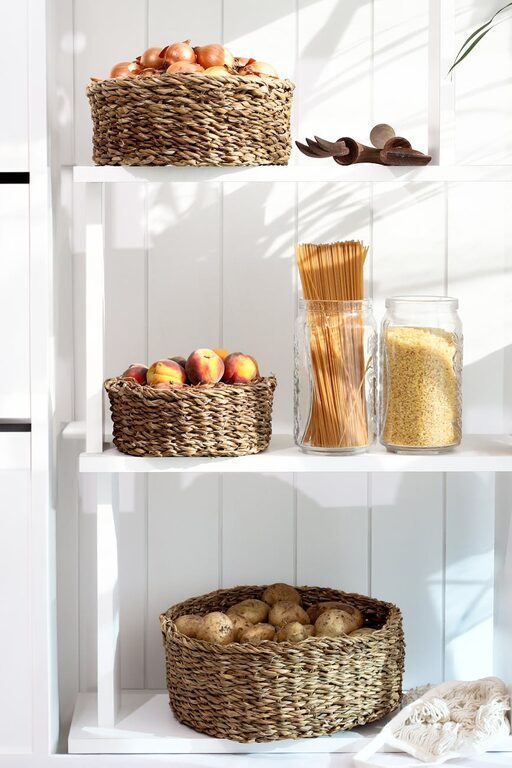
Keeping a tidy fridge and pantry is not only about aesthetics—it helps reduce food waste, improves food safety, and makes cooking more enjoyable. When your kitchen storage areas are well-organized, you can quickly find ingredients, plan meals better, and maintain a healthier home environment. In this post, we’ll explore practical strategies to keep your fridge and pantry neat and orderly.
Why Organize Your Fridge and Pantry?
Before diving into the how-to, let’s review why this is important:
– Minimize food waste: Knowing what you have prevents buying duplicates and helps you use items before they expire.
– Save time: No more digging around for that elusive spice or dairy item.
– Enhance food safety: Proper storage reduces the risk of spoilage and contamination.
– Create a pleasant cooking environment: An organized kitchen encourages creativity and makes cooking less stressful.
—
Organizing Your Fridge
1. Clean Out Regularly
Start by emptying your fridge entirely. Check expiration dates and toss out spoiled or unwanted food. Wipe down shelves and drawers with a mild cleaner or a mixture of water and vinegar. Regular cleaning (every 1–2 weeks) keeps odors at bay and surfaces hygienic.
2. Use Clear Storage Containers
Invest in clear, airtight containers to store leftovers, cut fruits, or chopped vegetables. They keep food fresh longer and make it easy to see what you have at a glance. Consider stackable containers to maximize vertical space.
3. Group Similar Items Together
Create zones for different types of food:
– Top shelves: Ready-to-eat foods like dairy, deli meats, and leftovers.
– Middle shelves: Eggs, beverages, and prepared meals.
– Bottom shelves: Raw meat, poultry, and fish (in sealed containers to avoid leaks).
– Drawers: Use one drawer for fruits and another for vegetables to maintain freshness.
Label shelves or bins if needed, so everyone in the household knows where things belong.
4. Manage Temperature Zones
Keep the fridge temperature between 35°F and 38°F (1.7°C – 3.3°C) for optimal freshness. Don’t overload shelves; air circulation is important. Also, avoid putting hot food directly into the fridge as it raises the temperature.
5. Use Door Shelves Wisely
The fridge door is the warmest part, so store condiments, sauces, and juices there rather than milk or eggs which prefer colder zones.
—
Organizing Your Pantry
1. Declutter and Sort
Empty your pantry completely. Check for expired items and donate unopened goods you won’t use. Group similar products by category—baking supplies, canned goods, snacks, grains, etc.
2. Use Uniform Containers
Transfer loose or small packages like pasta, rice, or flour into matching clear containers with labels. This not only improves appearance but also preserves freshness by keeping pests out.
3. Label Everything
Use labels to mark contents and expiration dates. This helps everyone know what’s inside bins or containers and keeps you aware of which items to use first.
4. Maximize Shelf Space
Install tiered shelf organizers for canned goods or small bottles. Use stackable bins or baskets to categorize snacks or baking supplies.
5. Store Items by Frequency of Use
Place frequently used items at eye level or front for easy access. Items used less often can go on higher or lower shelves.
6. Use Clear Bins and Baskets
Bins help contain loose packages like snack bags, packets, or spice mixes. They also make it easy to remove an entire category for cleaning or restocking.
—
Maintenance Tips
Weekly Check
Spend a few minutes once a week checking your fridge and pantry for items near expiry or spills. Promptly clean up any messes.
First In, First Out (FIFO)
Rotate your stock so older items are used first. When restocking, place new items behind older ones.
Keep a Shopping List
Maintain a running inventory or shopping list to avoid buying duplicates and reduce last-minute store trips.
—
Bonus: Eco-Friendly Practices
– Use reusable produce bags instead of plastic.
– Store bulk items in large containers to reduce packaging waste.
– Compost expired or spoiled food if possible.
—
Final Thoughts
A tidy fridge and pantry are achievable with a bit of planning and regular upkeep. By dedicating some time to organizing your kitchen storage, you’ll save money, reduce stress, and create a more enjoyable cooking environment. Start with one area, like your fridge or pantry, and gradually build good habits that keep your kitchen clutter-free for the long haul!
Happy organizing!